Sold out at the moment. Send us an email at mainewood@lumbery-me.com to request inventory updates.
Strong and Rot Resistant Wood with a Great Origin Story
Currently Available in 5/4x6 Decking
Japanese Larch: Farmed in Maine
Sold out at the moment. Send us an email at
mainewood@lumbery-me.com to request inventory updates.
Strong and Rot Resistant Wood with a Great Origin Story
Currently Available in 5/4x6 Decking
Planted of Necessity and Forgotten Over Time
Origin Story
In the 1980s, in the midst of the last spruce budworm outbreak, the pulp and paper industry in Maine and eastern Canada faced an unprecedented softwood shortfall. The insect was killing millions of cords of spruce and balsam fir, and paper companies were scratching their heads over the big picture. One of the more novel ideas was planting exotic larch, which grows much more quickly than native softwoods. In fact, on average, exotic larches produced 57 tons per acre at age 18, while native confers produced 33 tons per acre.
Roughly 20,000 acres (8,100 hectares) of exotic larch were planted in Maine in the 1980s, 1990s, and early 2000s. An estimated 16,000 acres (6,500 hectares) were planted in Michigan during this time. Then around the turn of the century the needs of the forest and paper industry changed and these plantations were lost and forgotten.
Within the last ten years a group of researchers and forestry experts have worked to locate these plots and spread the word on the benefits of growing and harvesting exotic larch, including Japanese Larch.
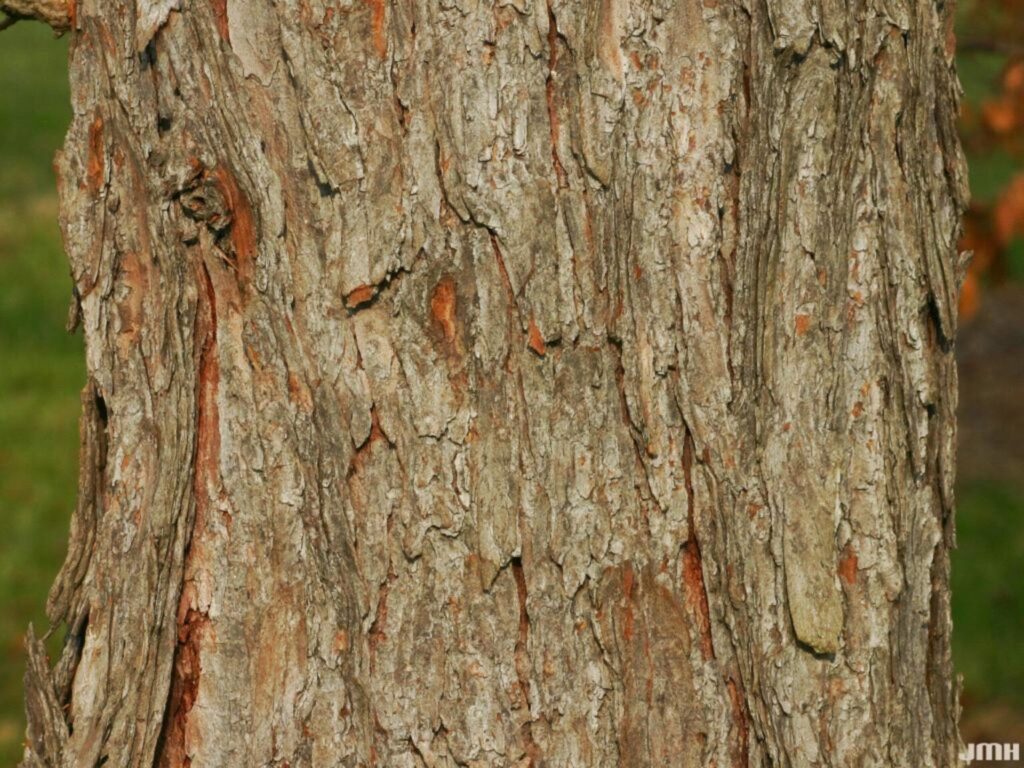
Japanese Larch is native to Japan. Its heartwood is yellow to a reddish-brown and the sapwood is nearly white. Sapwood is clearly demarcated from Heartwood.
Japanese Larch has a straight grain and medium texture. The surface is oily due to the presence of natural oil. Due to this natural oil, it is resistant to rot and insects. So it can be used for exterior and interior applications with low maintenance. Japanese Larch hardens when it fully dries creating a durable surface.
Due to its light color, it can be easily stained. It can be left bare and will turn a weathered gray over time. Knots are common but are usually small.
Uses include: Utility poles, fence posts, boat building, decking, furniture, and construction lumber.
Larch is widely used throughout Europe where an estimated 40 million larch seedlings are planted annually.
Larch is grown locally, sustainably harvested and 100% recycleable.
Here are some facts about treated lumber.
Treated lumber CANNOT BE RECYCLED.
Older treated lumber is much more toxic than modern day treated lumber(ACQ) but sorting the varieties is near impossible. So while newer PT is better for the environment there is still no proper way to sort, recycle or dispose of the material. There is also no way to remove copper from the wood.
Treated lumber cannot be burned.
Mining copper, which is used to treat wood, is awful for the environment.
Affordability
While larch cannot boast the longevity of cedar or treated pine it is certainly more durable and definitely affordable. Please note that pricing is subject to change.
Product
Linear foot pricing
Square foot pricing
Northern White Cedar
5/4×6 decking
$3.75
$8.18
Eastern Larch/Tamarack
5/4×6 decking
$2.75
$6.00
Japanese Larch
5/4×6 decking
$2.10
$4.58
Treated Lumber
5/4×6 decking
$1.60
$3.49
Other local, sustainable products provided by Lumbery